
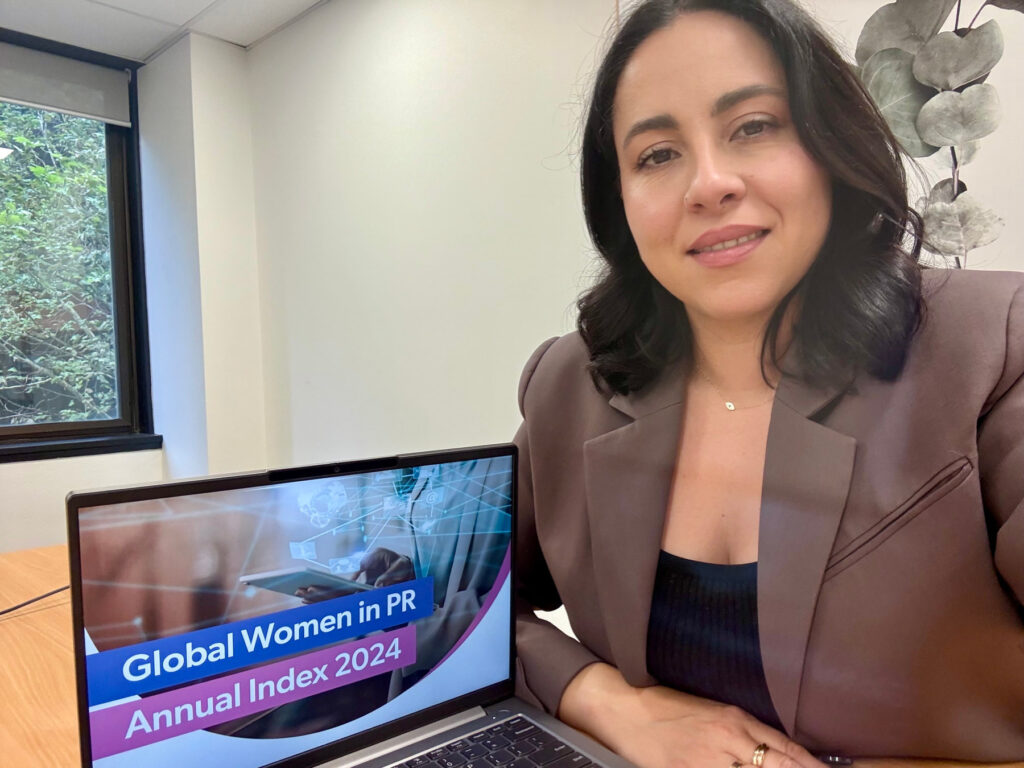
Our CEO, Karina Durham, has been working with the Global Women in PR (GWPR) Australia Founding Committee to call out lingering career barriers for women in media following the release of the seventh GWPR Annual Index survey.
What is GWPR and the Annual Index?
Global Women in PR exists to champion, connect and support women in the PR and communications industry. GWPR recently launched in Australia as a Special Interest Group of Communication and Public Relations Australia (CPRA). The Annual Index is a way for our group to keep its finger on the pulse on what’s happening with women in our industry. The survey has detected some positive changes in the experiences of women in the industry, but the seventh version that was released this year shows of critical challenges that are getting in the way of women thriving and succeeding in the industry.
What does this Annual Index tell us about women in leadership?
Fundamentally, we know that women in senior leadership positions improve work practices, productivity, profitability and creativity. For context, women represent two thirds of the PR and communications industry; however, they hold less than half of Boardroom positions.
The data tells us that there are a few problem areas that may be contributing to this:
- AGEISM – a fifth (20%) of women surveyed said when they reach the age of 50 they will leave the industry. So, we risk losing our most experienced and capable women that can change our industry for the better. It’s a good reminder that we need to foster the careers of all women at all ages, not just rising stars.
- CAREER BREAKS – this is new area of focus for the Annual Index but career breaks (for parenting, caring duties, stress or mental health) have shown to have an impact on women’s career progression. Respondents have shared that it’s hard to regain momentum after returning to work, they’ve been offered lower pay, offered less prominent roles or had to start all over again – resetting the clock on their careers.
- HARASSMENT – unfortunately incidents have increased since 2023. Over half of women surveyed reported experiencing harassment – either psychological, power-related or personal. More than half (57%) of those who experienced harassment did not report because they were afraid of negative impacts on their career, retaliation. But, of those who reported, over a third were encouraged to leave, left or said nothing happened after reporting.
What can we do with this data?
While this data is concerning, it gives us opportunity. It tells us exactly where we need to focus our efforts to remove the roadblocks that are stifling the rise of more women into leadership positions. The catalysts for changes are allyship, mentorship, meaningful program and policy changes and creating psychologically safe environments so we can tackle these issues head on.