While many of us are happy to shrug 2020 off our shoulders (myself included!), it was still a year of learning for me.
I not only learnt more about myself (imposed by limited social interactions) but also more about professional life, having discovered more about the communications industry and the way it operates.
A thirst for knowledge and a need to know how things worked had been instilled in me from a very young age, with people around me repeating the mantra:
Learning is light, ignorance – darkness.
I kept faithful to this pursuit of knowledge by completing degrees in Ukraine which I call home, then China, and finally Australia – where I now work in a fascinating industry of health communication.
Diving head first into the industry fresh from university, I believed I was equipped with everything I needed to make a valuable contribution to my team. I was exposed to a fast-paced environment, tight deadlines and teamwork – I told myself there was no reason to worry.
Having worked in-house for over a year, I was confident I could deal with agency life because…how different can it really be?!
Turns out agency processes and work style differs a great deal from that of in-house. Not only do you need to know the ins and outs of your business, but also all of your clients’ businesses, associations and products . This is quite a big demand for your memory!
As lucky as I am to specialise in one industry – health, I am never confined to just one project or one client. And here is the ‘cherry on top’ – your productivity and time-management directly impact the rest of the team. It is integral to get along with your teammates and clients, and to do that, you must be able to recognise and acknowledge the working styles of others.

Communications is one of the most dynamic industries there is, which is what undoubtedly attracted me to it in the first place.
However, the lively, fast-paced nature of the industry can often overwhelm consultants, with never-ending to-do lists being the norm, it’s not surprising many of us deprioritise important aspects of our professional life, like career development.
When I first started Palin, I had no idea that company managers would be so involved in my professional development from the get-go. Out of curiosity, I Googled the tendencies of professional development in the PR industry.
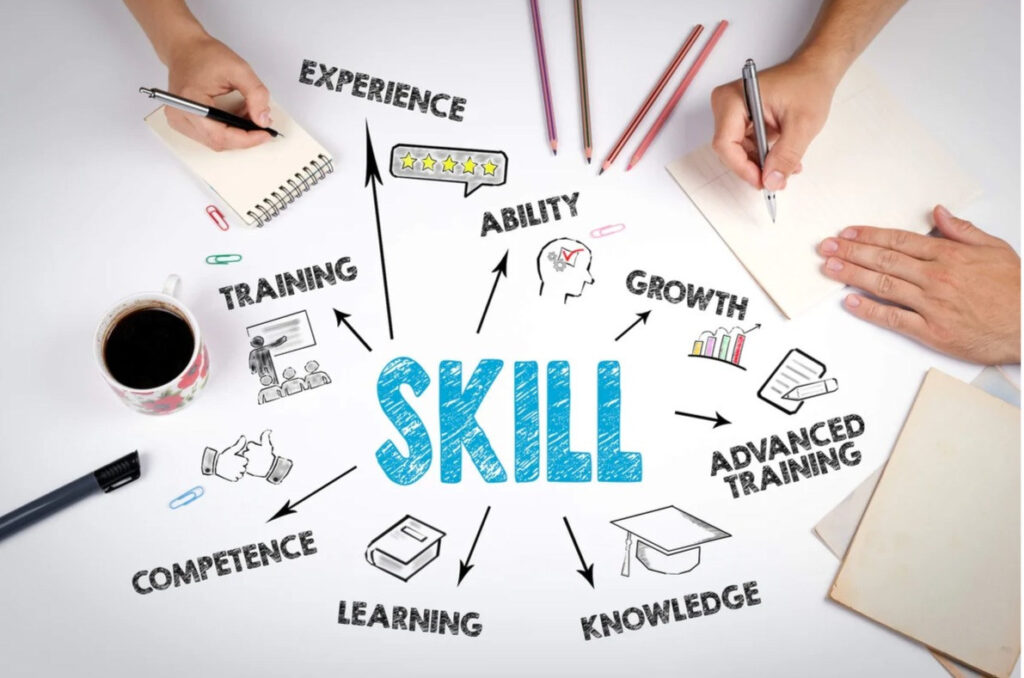
Interestingly, while professionalism and expertise are some of the most important criteria for clients when choosing a PR agency, professional development (which helps you to build those skills and knowledge) still has a relatively weak uptake amongst PR practitioners.
After experiencing what professional guidance looks like, I can definitely say professional development is beneficial to all practitioners and shouldn’t be top-heavy. The earlier you invest in yourself, the quicker you will rise, and the more you’ll get out of it.
A day of the ‘Agency Life Skills’ workshop with Amanda J Little gave me a crash course in the agency mindset and processes which otherwise would have taken me months to get my head around. I left with valuable insights that will guide me through my day-to-day work and will make the transition from in-house to agency smooth and efficient.
So here are a few things anyone thinking of working at the agency should know:
- Agency mindset is a thing. There are no more ‘I’s, it is only ‘we’. You need to know your company culture and values and convey them in everything you do – from dealing with journalists to communicating with suppliers.
- Always think about the big picture. On busy days when you can’t get your head out of emails, it can be hard to remember why you are doing what you doing. Stop, step back and reflect, so you can connect the particular task with the overall goals of the project.
- Workload & procrastination. There will be tasks that are important and urgent, but there will be plenty of things to distract you from them. The tip is – prioritise, plan, re-prioritise. If you feel there’s no progress, switch to something else or take a walk. Procrastination is your biggest enemy.
- Resilience & performance. Aim to maintain the ‘productive stress’ levels and know your ways of de-stressing.
- Spend time ‘understanding’ others. The communications industry is very people-oriented, which at times, can give us little control over things we do. It also makes us deal with many different personality types. Leveraging the behavioral peculiarities of others will help to avoid conflicts and increase effectiveness.
When an agency invests in professional development and sessions facilitated by external experts, it invests in future success and profitability of the business.
Defining and pro-actively picking opportunities to learn is what professional development about and I am thankful to be part of an agency that understands the value and benefits of ongoing professional development for all consultants.