
Patient advocacy groups play a really important role in the Australian health system.
There’s confusion among some in the health industry about what they actually do and also about how best to engage with them. But the COVID-19 landscape has really shone a light on how important they are and how impactful the work is that the do.
The pandemic has really disconnected people from the health system with visits, screening and pathology tests all way down from where they should be.
So patient groups have been one of the main drivers of campaigns to remind people of how important their regular appointments are and to encourage people to re-connect with the health system.
Whether that’s been supporting the broader “Don’t wait mate” campaign that has brought a lot of advocates together…

or bringing a focus on to a specific disease with that theme – like the Lung Foundation campaign with the call to action “Don’t wait investigate”.
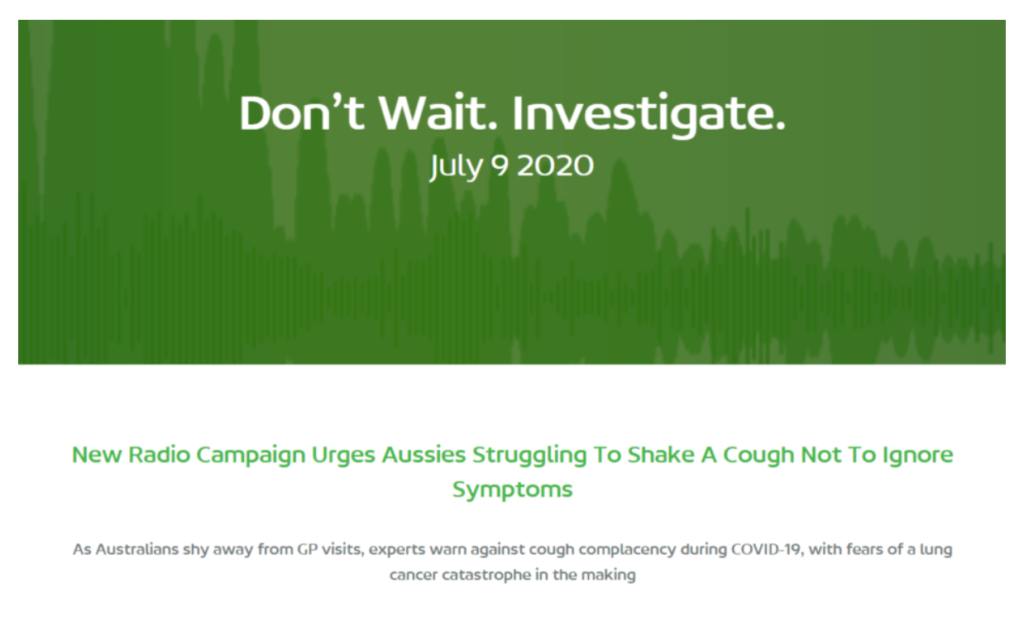
… patient groups have been key drivers of this type of activity.
They really bring the personal dimension to discussions around health policy. So if you look at a campaign like “Breaking barriers” from the Leukaemia Foundation it’s very much about letting patients tell their personal story in a way that builds understanding of the disease.

It’s such a powerful way of building awareness and true empathy around the condition
This then becomes really important in the way they help give the patient voice to bureaucratic decisions about what medicines and devices get reimbursed by the tax payer.
Otherwise its left to health economists and medical specialists who look exclusively at the technical or medical side of what medicines should be reimbursed.
Migraine patients have been very active and vocal in current public discussions about whether or not new migraine medications should be reimbursed. They are providing the patient perspective and in many ways holding the technical advisory committees accountable for their decisions and urging them to take the patient perspective into account.
They’ve really shaped the public discussions around this issue.
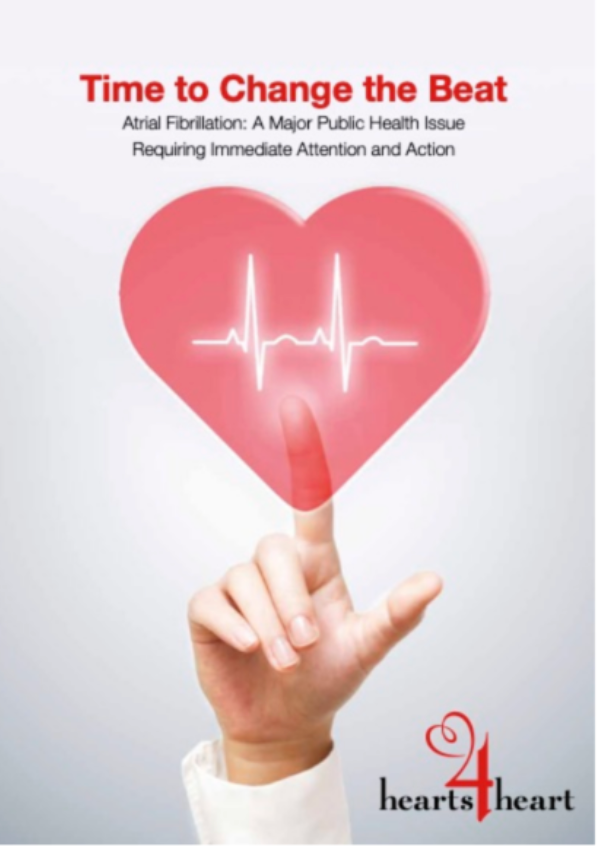
Sometimes the groups are commissioning reports to bring attention to an under-diagnosed disease – like Hearts4hearts in atrial fibrillation –
or urging action on a specific disease that affects Australians more than other countries – like melanoma.
Either way, you’ve got to take account of these patient groups in planning for your health campaign.
They’re doing great work, many of them have the ear of influential media outlets and political stakeholders really take notice of them.
If you’re wondering what they do. They’re crucial. They get regulators, manufacturers and politicians focused on patients. After all, that’s what the health system is supposed to be about.
So don’t overlook patient groups in your campaign planning.