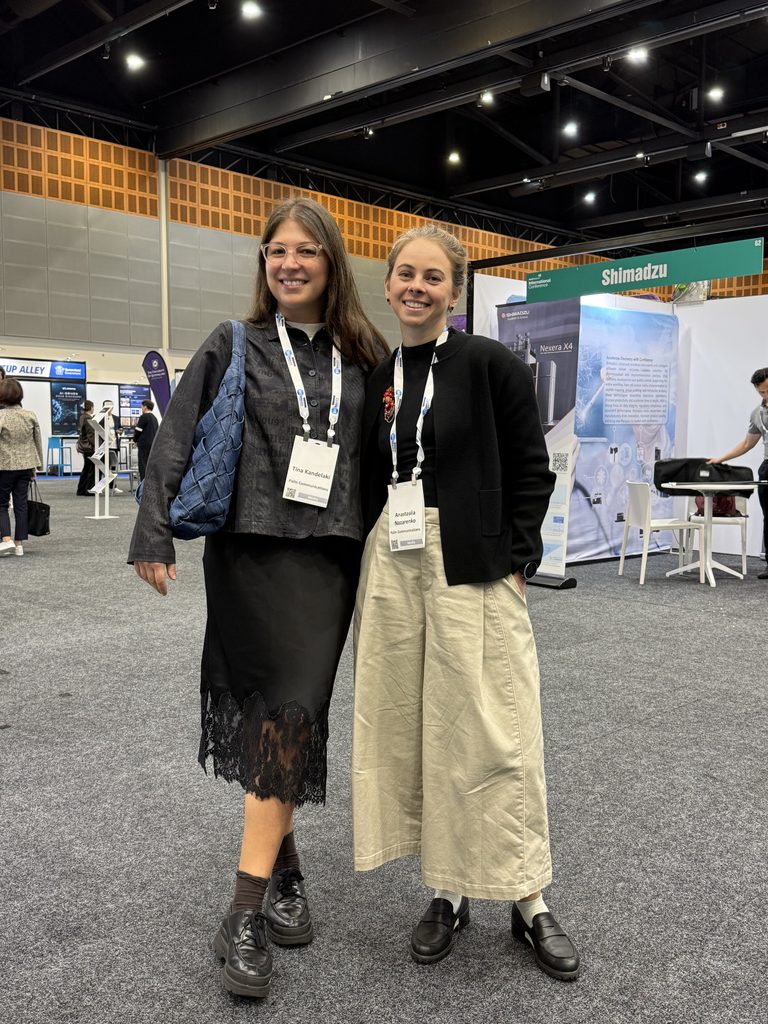
Reflections from Australia’s Biggest Week in Biotech, by Anastasiia Nazarenko and Tina Kandelaki, Palin Communications
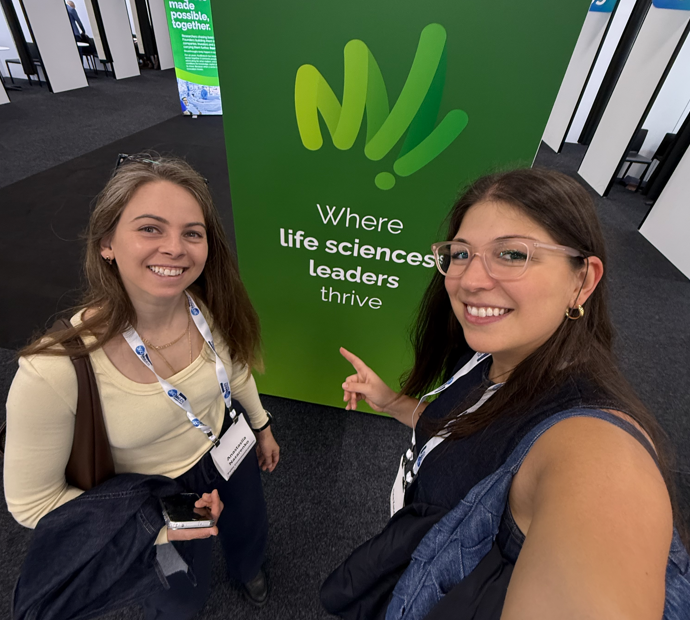
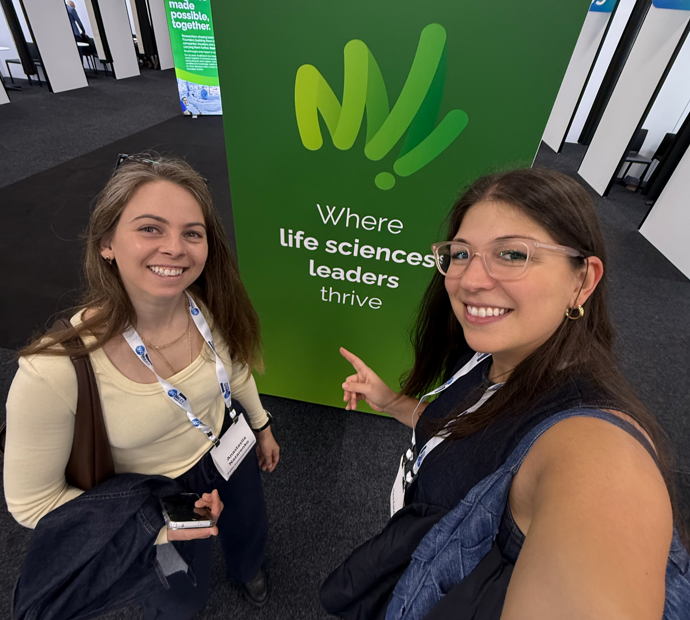
People say you only get one chance to make a first impression. At Australia’s Biggest Week in Biotech, delivered by the talented team at AusBiotech, we lost count of how many stayed with us.
Our first introduction to the possibilities of quantum computing in drug discovery. A new appreciation of what research in space could mean for health on Earth. And encounters with founders whose deeply personal experiences had set them on a path to changing care for others.
On the Gold Coast, we joined researchers, clinicians, investors and industry leaders from Australia and around the world. Conversations spanned childhood cancer, complex wounds, permanent voice loss and women’s health, with more curiosity and expertise than we could capture in one article.
Alongside those future frontiers were immediate challenges: helping nurses spend more time with patients and less on administration, making the value of diagnostics better understood, and ensuring promising innovations reach the people who need them.
Across these conversations, three themes particularly resonated with us as health communications professionals – trust, collaboration and storytelling.
Trust makes the next step possible
Trust surfaced in numerous discussions across the industry. Innovators need confidence in the people with whom they share an idea; investors need confidence in the team working to realise it; clinicians and patients need confidence in the evidence, the technology and the people behind it.
With recent global research finding that 70% of respondents are unwilling or hesitant to trust people with different political views, values or backgrounds, the importance of building trust across differences feels particularly relevant. Especially in an industry where progress depends on bringing together people with vastly different expertise, perspectives and priorities.
We recognise that responsibility in our own work. Clients trust us with sensitive decisions and seek our honest counsel. Patients and families trust us with experiences that may be difficult to revisit. Clinicians and researchers trust us to communicate their work accurately, including its complexity and impact.
We earn that trust through how we listen, advise and follow through, through clarity about the evidence, and through a willingness to challenge decisions when needed. Hearing those principles reflected across the life sciences industry reinforced how closely responsible communication and meaningful progress are connected.
Collaboration needs shared understanding
The importance of collaboration is easy to endorse, but making it work takes commitment.
Throughout the conference, we heard about gaps between research and commercialisation, technology and clinical practice, and different parts of the healthcare system. Digital health brought this into sharp focus where a technology’s potential depends on how well it fits the experience of those expected to use it.
Innovators need to understand clinical workflows, clinicians need opportunities to shape solutions, and patients need a meaningful voice in what better care looks like. It was encouraging to see the industry examining these challenges together.
For us, these conversations connected directly to strategic communication. For close to 30 years, Palin Communications has worked with health and life sciences organisations to help build a shared understanding and help move towards the same ambition. This involves listening to stakeholders, identifying shared priorities and developing approaches that give people meaningful opportunities to contribute.
It also reflects a foundational principle for our agency – reputation is not just shaped by what you say about you, but by what others say about you. Genuine collaboration grows from relationships in which people have been heard, their expertise respected and their contribution valued.
Stories help people understand what is at stake
We heard a great deal of information throughout the week. The presentations that stayed with us gave that information a relatable and memorable context.
Those stories helped us understand the problem, why it mattered, and what progress could mean.
A founder describing the family experience that prompted a new research direction. A clinician explaining the frustration of knowing an innovation exists while patients still struggle to access it. Taking the audience on a journey of communicating the value of something where contribution is largely unseen, like in the diagnostics space where a test can inform an earlier decision or change someone’s care pathway.
This is where storytelling requires strategic judgement. It involves deciding which perspectives are important to communicate the significance, which evidence supports the narrative, what the audience already understands and what they need to take away.
It was great to hear so many speakers at AusBiotech find that balance, because that takes skill. Sharing someone’s experience does not automatically explain why it matters to the people listening. Evidence can be compelling but delivered in a way that leaves audiences struggling to connect the dots. Too much detail can obscure the very point a speaker wants people to remember.
The art of storytelling lies in knowing what to bring forward, what to leave out and how to connect it all in a way that matters to your audience. This is one reason to involve a specialist health PR partner early. Working alongside founders, researchers and clinical teams, we bring a perspective on audiences, narrative and communication that complements their scientific and technical expertise. Together, we can help ensure the significance of their work comes through as clearly as the science behind it.
Communication as a strategic partner in health innovation
We are energised by the talent, commitment and ambition within Australia’s life sciences community and want to see this work turning its potential into better health outcomes for Australia and globally.
Strategic communication helps connect the people working investment, evidence, policy, infrastructure and access, by building understanding, establishing common ground and giving others confidence to take the next step together.
For Australia, that includes communicating a clear and credible picture of our strengths, the sovereign capabilities we want to build and the contribution we can make through global partnerships. For individual organisations and businesses within the life sciences sector, it means considering early who needs to understand their work, whose perspective could strengthen it and what will encourage meaningful engagement.
AusBiotech’s role in bringing the life sciences industry together demonstrates the value of those connections. We also believe that communications expertise has an important place within the health innovation ecosystem, helping scientific ambition find understanding, support and shared purpose.
Behind the breakthroughs are people turning curiosity into breakthroughs, building trust, forming partnerships and helping others see what could be possible. Helping them do that well is a contribution we are proud to make.